Moving from position 2 to position 1 generates 74.5% more clicks. This 12-point checklist covers every on-page factor that separates pages that rank from pages that languish on page two.
Why On-Page SEO Is the Foundation of AI-Era Search
In 2026, the SEO conversation has shifted dramatically toward AI Overviews, Generative Engine Optimization (GEO), and zero-click searches. But here is the truth that gets lost in the noise: you cannot be cited by AI if your page is not technically sound and indexed. Google's AI Overviews cite sources that rank in the top 10 organic results 52% of the time [2]. On-page SEO is the prerequisite for everything else.
The stakes are high. Moving from position 2 to position 1 generates 74.5% more clicks [2]. Improving a page's position by just one spot increases CTR by an average of 32.3% [2]. This checklist covers the 12 factors that most reliably move the needle.
The 12-Point Pre-Publish Checklist
1. Meta Title — Pixel-Accurate, Keyword-First
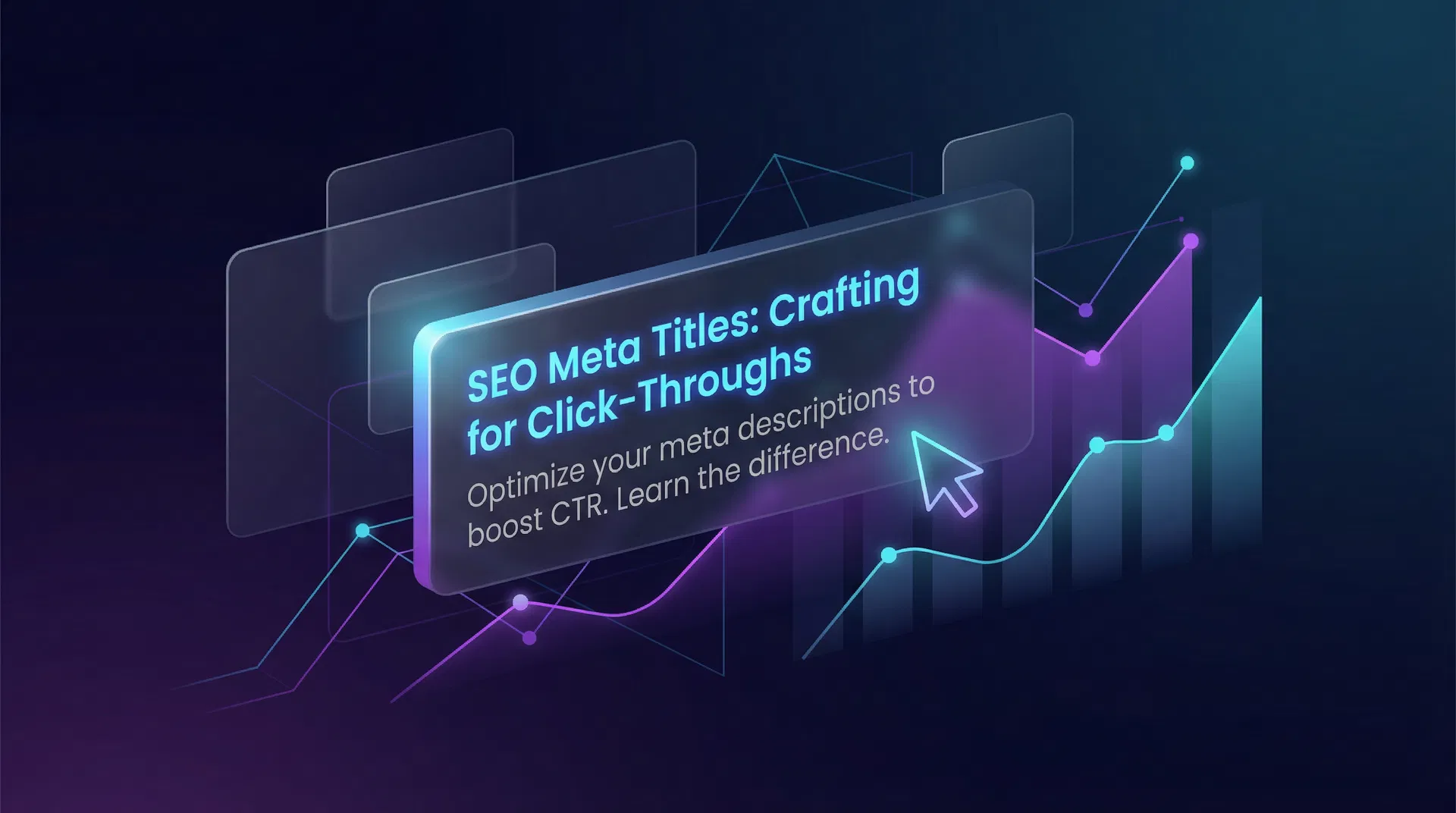
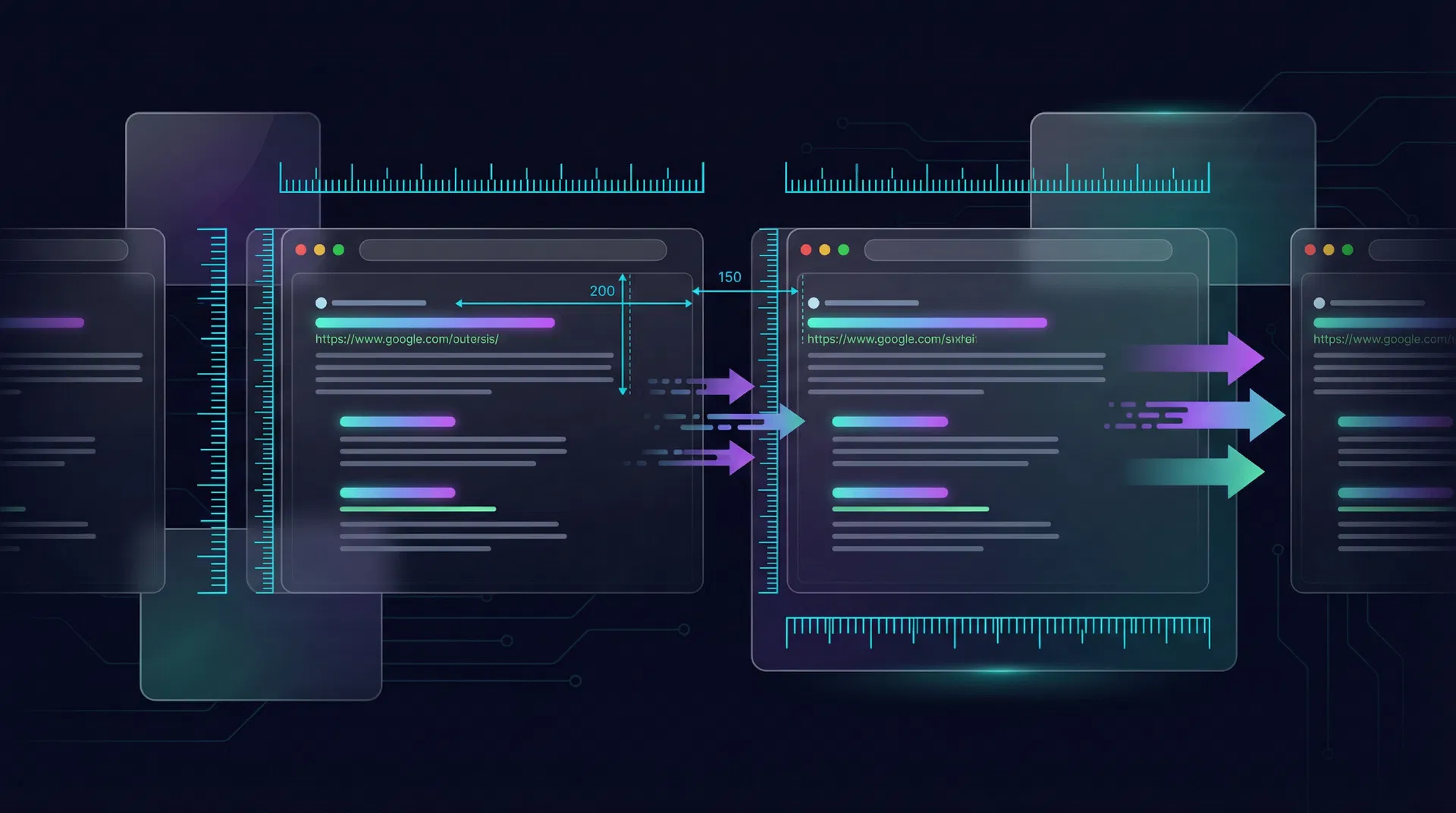
Your title should place the primary keyword within the first 30 characters, stay under 600 pixels wide (approximately 50–60 characters for most fonts), and include a compelling modifier (year, number, or power word). Use a pixel-accurate preview tool — not a character counter — to verify it will not truncate on mobile.
2. Meta Description — Intent-Aligned, Mobile-First
Write the description as a direct answer to the query your page targets. Keep the most important information within the first 120 characters for mobile users. Include the primary keyword naturally and end with a clear benefit statement. Remember: Google rewrites over 62% of descriptions, so make your page body copy equally strong.
3. H1 Tag — One Per Page, Matches Search Intent
Every page must have exactly one H1 tag. It should contain the primary keyword and clearly describe what the page delivers. The H1 does not need to be identical to the meta title — it can be longer and more descriptive since it is not subject to pixel truncation.
4. Heading Hierarchy (H2–H6) — Logical Structure for Humans and AI
Use H2s for major sections and H3s for subsections within those sections. Never skip heading levels (e.g., do not jump from H2 to H4). Include secondary keywords and related terms in your H2s — these are strong signals for both traditional rankings and AI Overview citations.
5. URL Structure — Short, Descriptive, Keyword-Rich
URLs should be lowercase, hyphen-separated, and contain the primary keyword. Remove stop words (a, the, of, in) to keep URLs concise. A good URL looks like /on-page-seo-checklist/, not /blog/2026/04/07/the-complete-guide-to-on-page-seo-audits-for-2026/.
6. Canonical Tag — Prevent Duplicate Content
Every page should have a self-referencing canonical tag (<link rel="canonical" href="https://yourdomain.com/page/">). For paginated content, filtered pages, or content syndicated elsewhere, canonical tags prevent Google from splitting ranking signals across duplicate URLs.
7. Image Optimization — Alt Text, File Size, and Format
Every image needs descriptive alt text that includes the primary keyword where natural. Compress images to under 100KB using WebP format where possible. Use descriptive file names (on-page-seo-checklist.webp not IMG_4521.jpg). Lazy-load images below the fold to improve page speed.
8. Internal Links — Build Topical Authority
Link to at least 2–3 related pages within your site using descriptive anchor text. Internal links distribute PageRank, help Google understand your site's topical structure, and keep users engaged. Avoid generic anchor text like "click here" — use keyword-rich anchors that describe the destination page.
9. Schema Markup — Speak the Language of Search Engines
Add JSON-LD schema appropriate to your content type: Article for blog posts, FAQPage for Q&A sections, HowTo for step-by-step guides, Product for product pages. Schema is no longer optional in 2026 — it is the primary way to ensure AI systems correctly identify entities and relationships on your page [4].
10. Core Web Vitals — The Technical Entry Fee
Core Web Vitals remain a confirmed ranking factor in 2026, acting as a tie-breaker for pages with similar content quality [3]. The three metrics to target are:
- LCP (Largest Contentful Paint): Under 2.5 seconds — optimize your hero image and server response time
- INP (Interaction to Next Paint): Under 200ms — minimize JavaScript execution time
- CLS (Cumulative Layout Shift): Under 0.1 — set explicit width/height on images and embeds
11. Mobile-Friendliness — Design for the 92% Majority
With 92.3% of users accessing the internet via mobile devices [2], mobile-first is not a best practice — it is the baseline. Test your page in Google's Mobile-Friendly Test tool. Check that tap targets are at least 48×48px, text is readable without zooming, and content does not overflow the viewport.
12. E-E-A-T Signals — The Human Element AI Cannot Replicate
Google's E-E-A-T (Experience, Expertise, Authoritativeness, Trustworthiness) framework is the ultimate differentiator against AI-generated content. Add an author bio with credentials, cite primary sources with links, include original data or first-hand experience, and display clear publication and update dates. These signals tell Google — and users — that a real expert wrote this page.
Quick Reference: The 12-Point Checklist at a Glance
| # | Item | Target | Tool to verify |
|---|---|---|---|
| 1 | Meta Title | <600px, keyword first | FeaturedSnippet.org |
| 2 | Meta Description | <960px desktop / <680px mobile | FeaturedSnippet.org |
| 3 | H1 Tag | Exactly 1, contains primary keyword | FeaturedSnippet.org Page Analyser |
| 4 | Heading Hierarchy | Logical H2→H3 structure, no skips | FeaturedSnippet.org Page Analyser |
| 5 | URL Structure | Short, lowercase, keyword-rich | Manual review |
| 6 | Canonical Tag | Self-referencing on every page | FeaturedSnippet.org Page Analyser |
| 7 | Image Alt Text | Descriptive, keyword-natural | FeaturedSnippet.org Page Analyser |
| 8 | Internal Links | 2–3 per page, descriptive anchors | FeaturedSnippet.org Page Analyser |
| 9 | Schema Markup | Article / FAQ / HowTo JSON-LD | Google Rich Results Test |
| 10 | Core Web Vitals | LCP <2.5s, INP <200ms, CLS <0.1 | PageSpeed Insights |
| 11 | Mobile-Friendly | Passes Google Mobile-Friendly Test | Google Mobile-Friendly Test |
| 12 | E-E-A-T Signals | Author bio, dates, citations | Manual review |
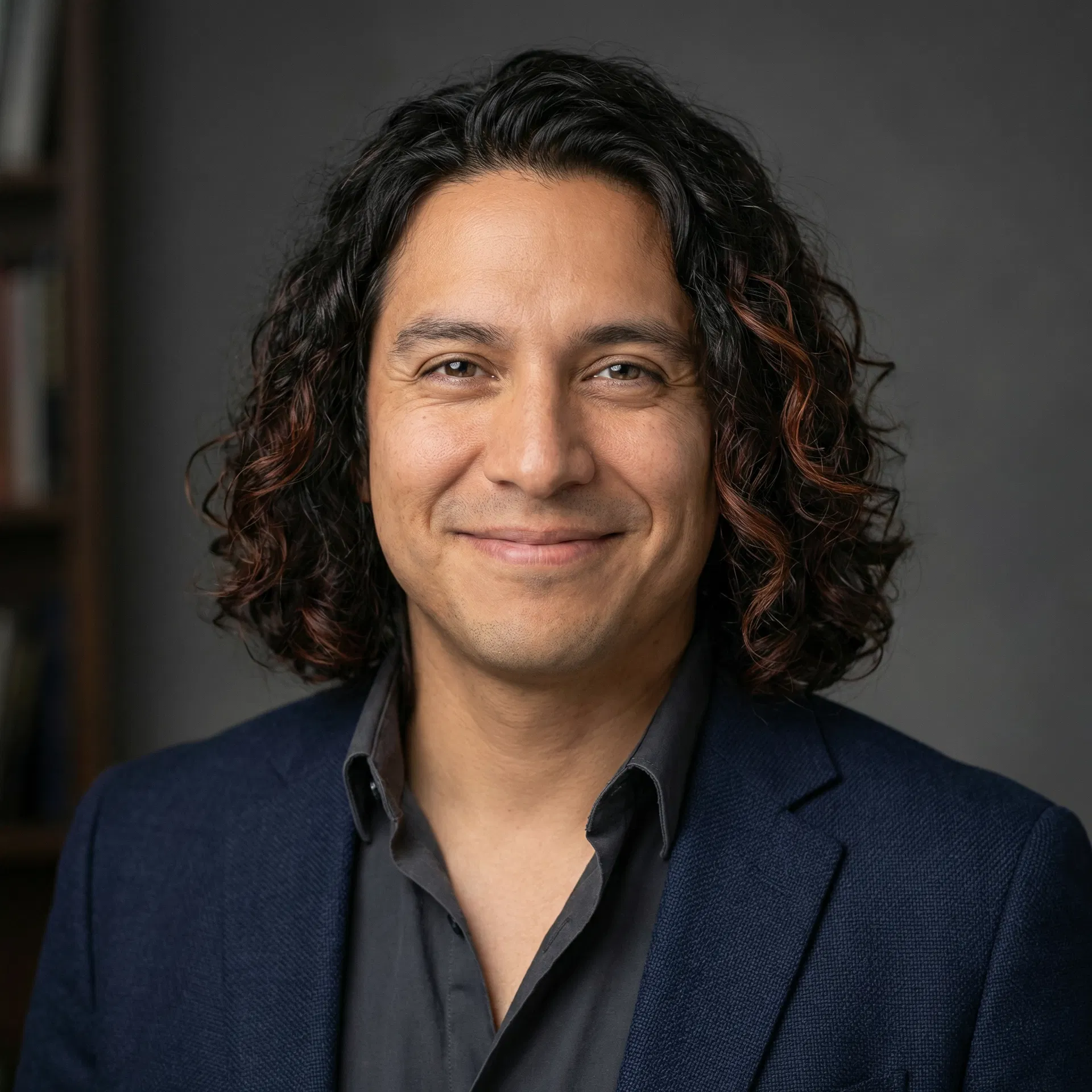
About the Author
Alex RiveraSEO Strategist & Content Lead
Alex Rivera is an SEO strategist with 8+ years helping brands win visibility in competitive SERPs. Equal parts data nerd and creative writer, Alex spends off-hours deep in indie game soundtracks, hiking trails, and the occasional football match. Proudly neurospicy — hyperfocus is a superpower when it comes to search.
Sources & References
- 1.On-Page SEO Checklist: The Complete Task List for 2026
Semrush, 2026
- 2.85+ SEO Statistics for 2026 (Current & Verified)
AIOSEO, 2026
- 3.Why Core Web Vitals Still Matter More Than You Think in 2026
Interact Marketing, 2026
- 4.AI SEO Checklist 2026: Making Your Brand Visible in AI Search
Sandstorm Digital, 2026
- 5.Google's John Mueller on SEO vs. GEO: Focus on audience behavior
Search Engine Land, 2026